-
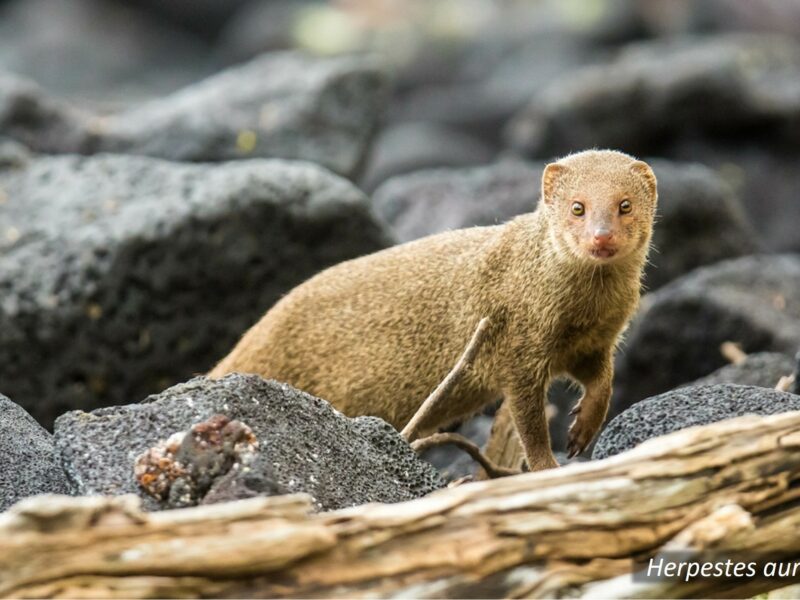
CIMBA: an innovative project to study and control exotic predatory mammals
The Caribaea Initiative association, dedicated to combating invasive alien species for years, has just launched its most ambitious project to date: CIMBA. This project aims to better understand and control the impact of exotic mammals on Caribbean biodiversity, a significant threat that requires a multidisciplinary approach combining research, action, and awareness. Continue reading
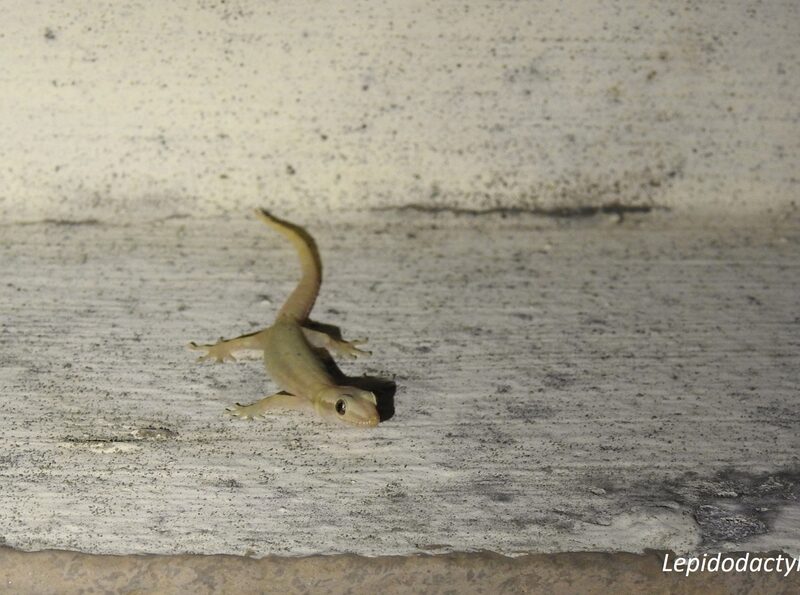
The Mourning Gecko: A rapidly spreading invasive species in Guadeloupe
In Guadeloupe, the Mourning Gecko was first detected in 2010. Thanks to its unique reproductive method and its ability to adapt to a wide variety of habitats, this reptile is able to rapidly expand into the territories it colonizes. A recently published study highlights the current status of this invasion. Continue reading
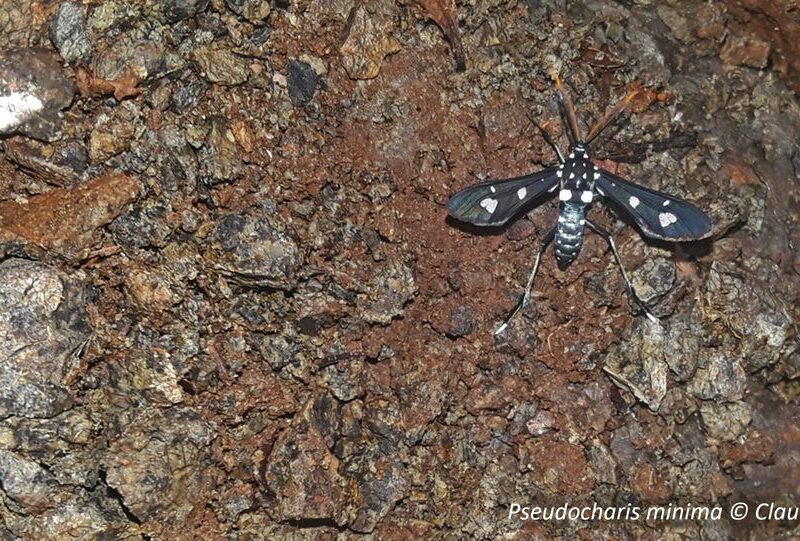
Moths and endemic plants: the remarkable biodiversity of serpentine soils in Cuba
Continue readingLittle known to the general public and rarely studied, ecosystems associated with serpentine soils harbour a unique biodiversity, both in terms of flora and fauna. A recent study examined the importance of these particular ecosystems for insect conservation in Cuba. (more…)
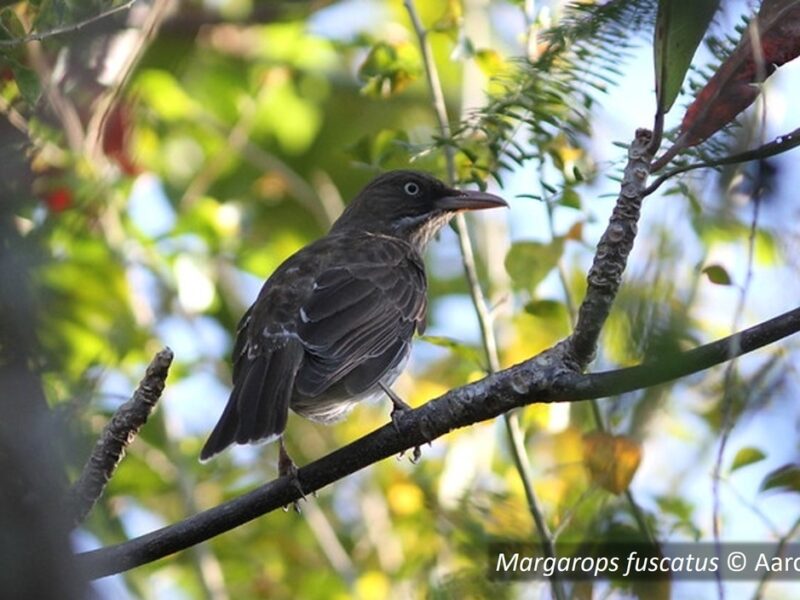
Promising first year for our bird research project in Martinique
Continue readingManaging and conserving game species is a major challenge. To make informed and objective decisions, it is crucial to first gather rigorous scientific knowledge on the ecology and biology of these species, as well as the state and dynamics of their populations. In Martinique, the ESPACYPA project is addressing this need by focusing on several understudied bird species. Now,…
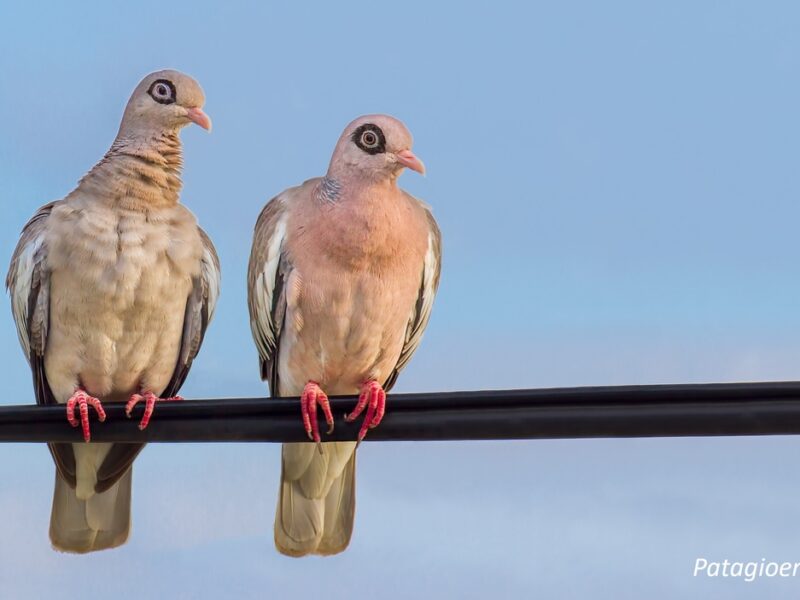
Confirmed threat: Invasion of the Bare-eyed Pigeon in Saint-Martin
Continue readingOn the island of Saint-Martin, an unusual species has appeared in the landscape over the past decade: the Bare-eyed Pigeon (Patagioenas corensis). Christopher Cambrone, our scientific program coordinator and specialist in columbids in the Antilles, investigated with his colleagues. His results confirm the alarming scenario of the species’ rapid invasion of the island, with potential ecological consequences.
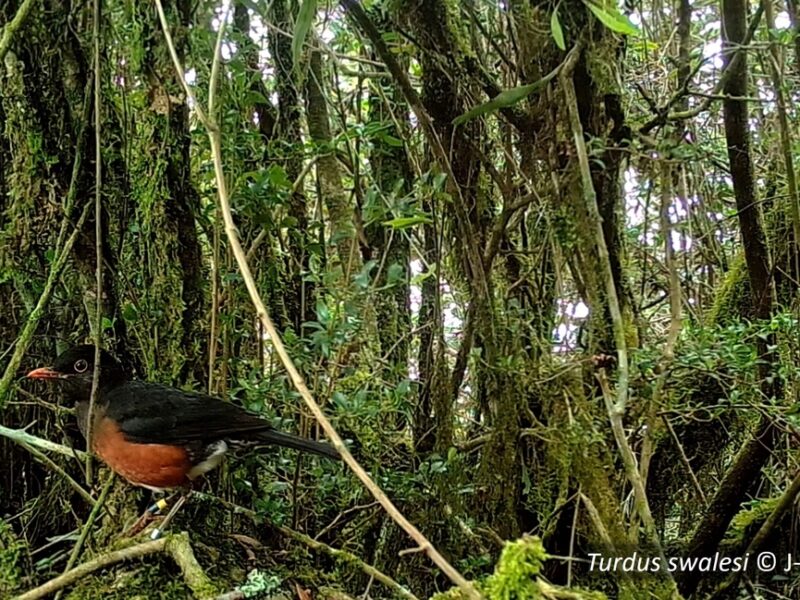
Biology and ecology of the La Selle Thrush: Major scientific advances in Haiti
Continue readingBirds of tropical forests are among the most threatened in the world, especially species with restricted ranges like the La Selle Thrush (Turdus swalesi). Currently considered vulnerable, this species is endemic to the island of Hispaniola. Exposed to numerous threats, including deforestation and the presence of invasive exotic predator species, the species has experienced a significant decline in abundance…
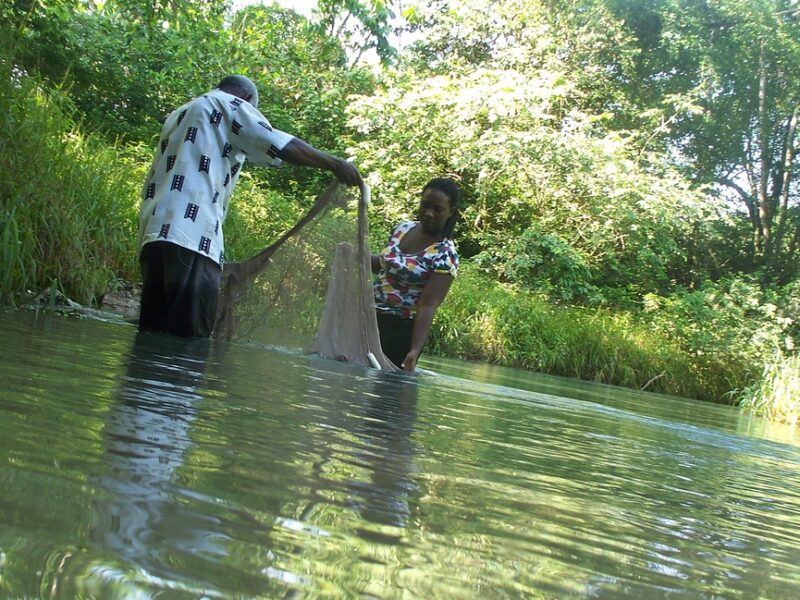
International collaborations: a PhD student from Jamaica on a scientific mission to Germany
Continue readingFor young scientists, international collaborations open new avenues for research and provide access to knowledge, technical skills, or technologies that would otherwise be limited. Kerri-Ann Bennett, a Jamaican PhD student at the University of the West Indies working on freshwater fish in her native country, recently had the opportunity to participate in a three-week mission to the University of…
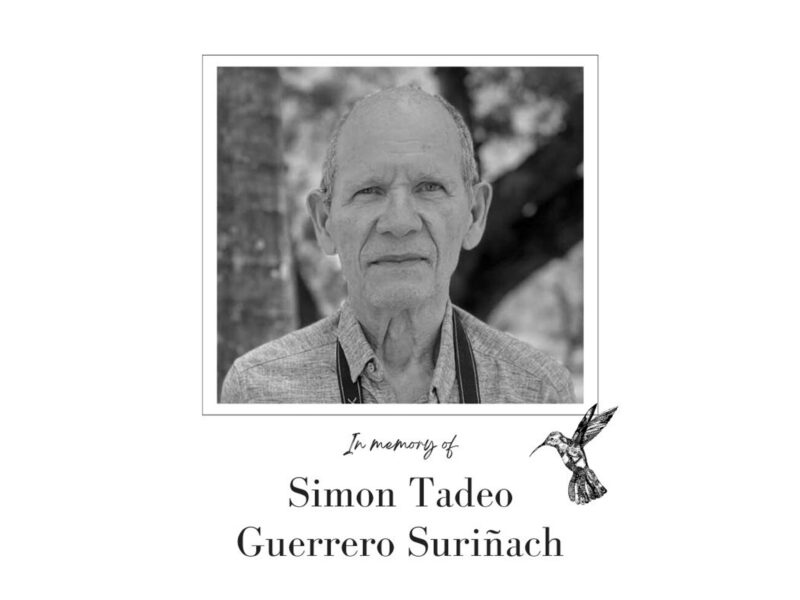
OBITUARY – Simon Tadeo Guerrero Suriñach (1946 – 2024)
Continue readingFriends, colleagues, students, and everybody else knew him just as Simon. He was a unique and extraordinary scholar, born and raised in the Dominican Republic (DR). Since his childhood, he felt a strong attraction for both literature and science. This took him to acquire an exceptionally good domain of Spanish grammar and literature, and a good knowledge of French….
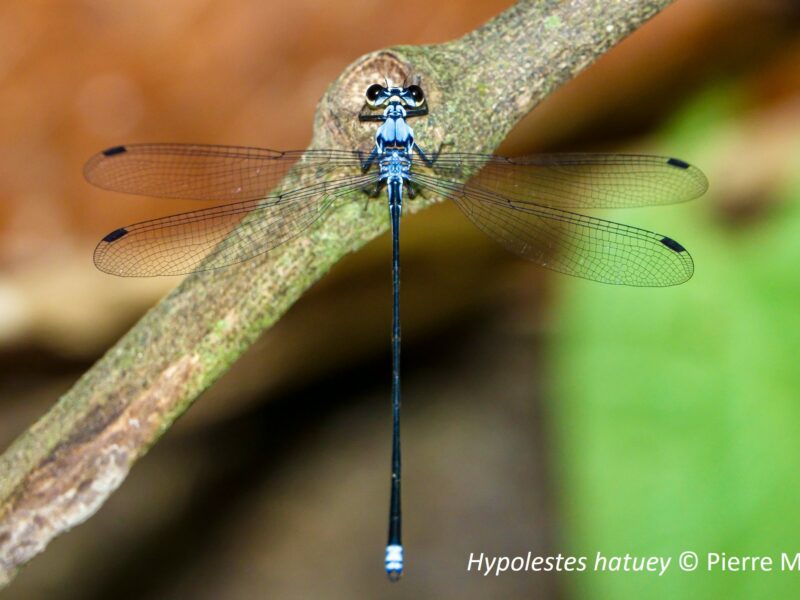
Dragonflies and other Odonates: Towards a better understanding of key indicators in Haiti
Continue readingHaiti, located on the large island of Hispaniola in the Caribbean, hosts a rich and diverse fauna that is also facing significant threats. The country’s aquatic ecosystems, in particular, are confronted with numerous challenges such as massive deforestation, increasing urbanization, and significant pollution due to limited wastewater and waste treatment capacity. Simultaneously, scientific studies in the field are scarce…
- 1
- 2
Anolis equestris potior © Aslam Castellón Maure