
-
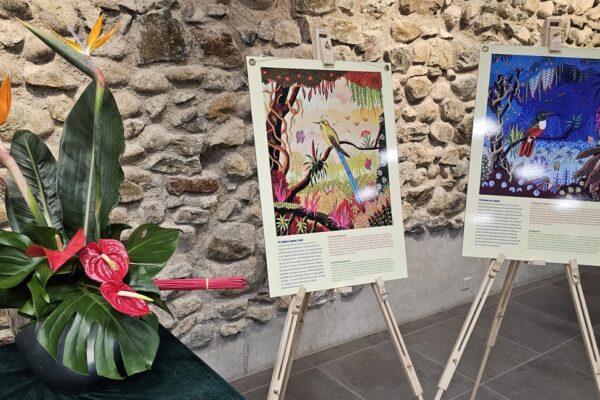
An evening at the Château de Prangins for Caribaea Initiative
Following the success of its first evening in Geneva last year, the Caribaea Initiative – Suisse association organized a second evening at the end of November at the Château de Prangins. This event immersed guests in a Caribbean atmosphere, allowing the two associations (Caribaea Initiative and Caribaea Initiative – Suisse) to showcase their close ties. […]
Continue reading -
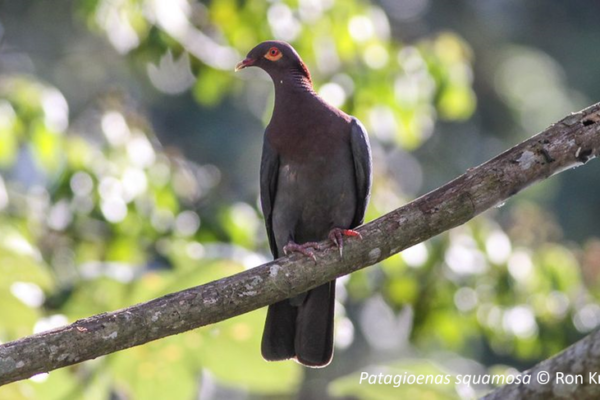
Project ESPACYPA: Already thousands of images to better understand the birds of Guadeloupe and Saint-Martin
In the French Caribbean, hunting is regulated to prevent the decline of populations of certain bird species. However, in Guadeloupe and Martinique, this management faces a major challenge: the crucial lack of knowledge about the ecology and population dynamics of certain game bird species. These gaps lead to recurring conflicts between hunters and environmental protection […]
Continue reading -
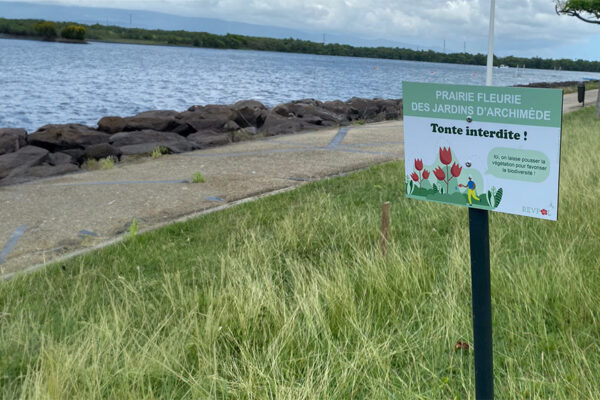
The REVPOL project comes to an end
Growing urbanization poses major challenges for the preservation of biodiversity. One of these challenges is to maintain biodiversity in urban environments, in particular through green spaces. In this context, the REVPOL project, dedicated to the REVegetation of urban and peri-urban areas in the West Indies in favor of POLlinators, has just come to an end. […]
Continue reading -
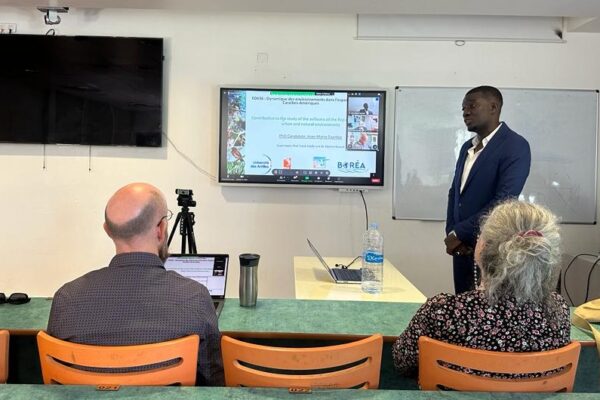
A turning point for Haiti: Jean-Marry Exantus is paving the way for urban ecology and conservation biology research in his native country
A historic success for Haiti. Jean-Marry Exantus has just successfully defended his PhD thesis, the first in both conservation biology and ornithology in the country. Combining passion and tenacity, Jean-Marry Exantus proves that it is possible for Haitians to become involved in safeguarding their natural heritage by developing world-class scientific expertise in the study and […]
Continue reading -
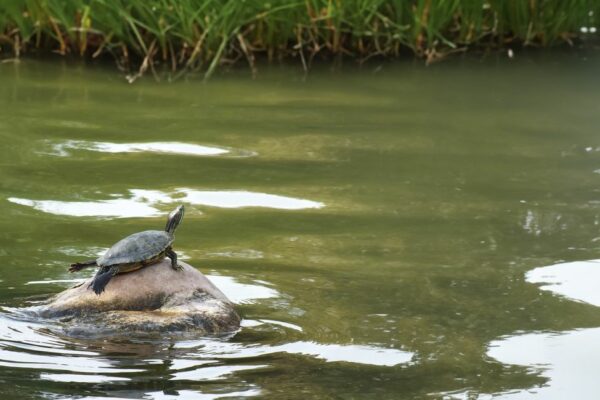
Exotic turtles in Guadeloupe: An under-studied threat to biodiversity
Guadeloupe is home to a variety of ecosystems populated by a rich and unique biodiversity. But, as in all the territories of the insular Caribbean, this abundant biodiversity faces a major threat: the invasion of exotic species.
Continue reading -
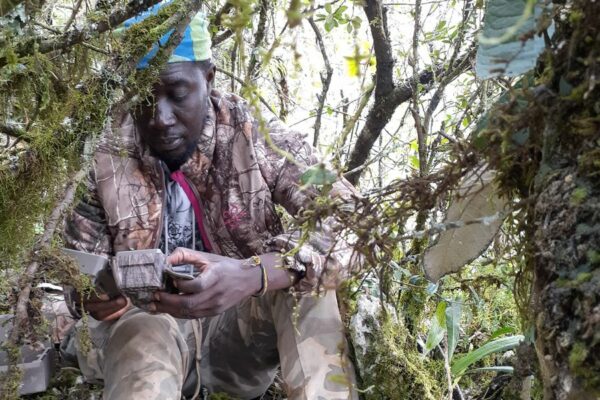
Bird conservation in Haiti: a young researcher’s tenacity to assess the importance of protected forests
In the Caribbean, Haiti occupies a special place in terms of avian biodiversity conservation. The island of Hispaniola, of which Haiti occupies the western part, is one of the largest in the Caribbean and home to several endemic bird species. Its geographical location also makes it a major migration crossroads and wintering site for many […]
Continue reading -
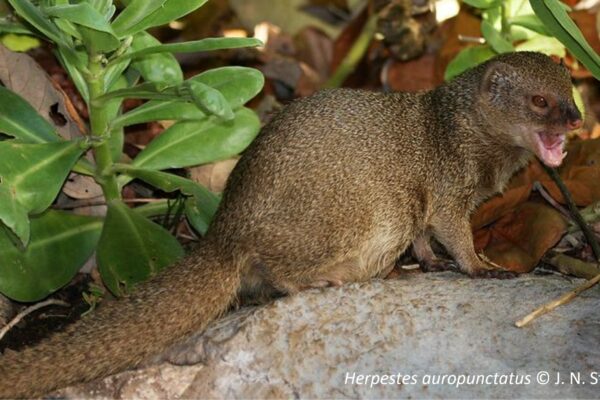
Invasive alien species: a major factor in global biodiversity loss
Invasive alien species have been a major factor in 60% of species extinctions worldwide. This is the conclusion of the latest report from IPBES, the Intergovernmental Science-Policy Platform on Biodiversity and Ecosystem Services. The Caribbean, as an island system considered a hotspot of biodiversity, is particularly concerned.
Continue reading -
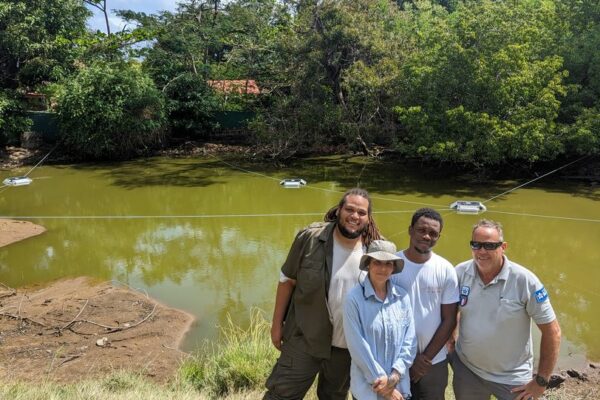
In Guadeloupe, an ecosystem rehabilitated after the invasion of exotic turtles
The abundant biodiversity of the Caribbean, rich and unique in the world, is under numerous threats. As with all island systems, invasive alien species are a major problem. Originating from other territories, these animals or plants are introduced voluntarily or by accident, and disrupt local ecosystems through competition, predation, or via their pathogens.
Continue reading -
New data on a bird endemic to the Lesser Antilles: the Forest thrush
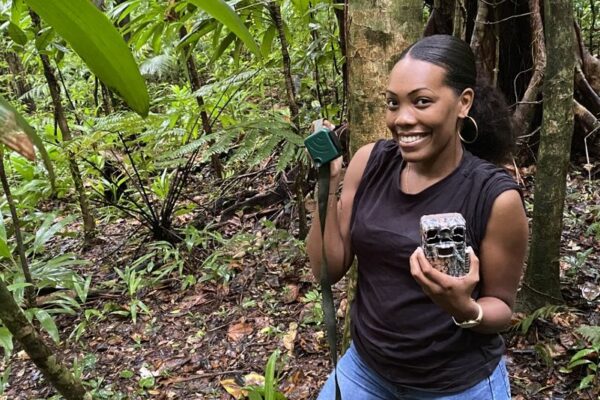
The Forest thrush, Turdus lherminieri, is an endemic bird of the Lesser Antilles. This species, which harbours a distinctive plumage and sings melodious song, feeds on the ground, searching the litter with its beak for insects and other invertebrates. Already rare, as it is found only on four islands in the Caribbean, the species is […]
Continue reading -
Threatened pigeons: a study reveals what really matters for their risk of extinction
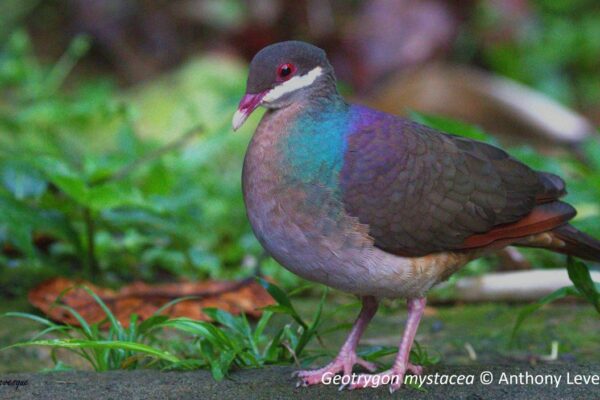
Biodiversity loss is one of the greatest challenges facing our planet today. While the importance of populations decline or their extinction risk vary greatly between species and territories, understanding the factors that influence both parameters is essential to directing conservation efforts effectively.
Continue reading