Title: Grand Sud Macaya Project – Biodiversity and Landscape Resilience in Haiti
Aims: Strengthen the ecological resilience of landscapes in southern Haiti and the Grande Anse region through improved knowledge of biodiversity and the involvement of local stakeholders.
Location: Haiti
Dates: 2025-2026
Summary: The Grand Sud Macaya Project aims to enhance the ecological resilience of landscapes in southern Haiti and the Grande Anse region by improving knowledge of local biodiversity and raising awareness among local stakeholders. Coordinated by Caribaea Initiative, in collaboration with UNEP and local partners, this program promotes the sustainable management of ecosystems in the face of human pressures and climate change.
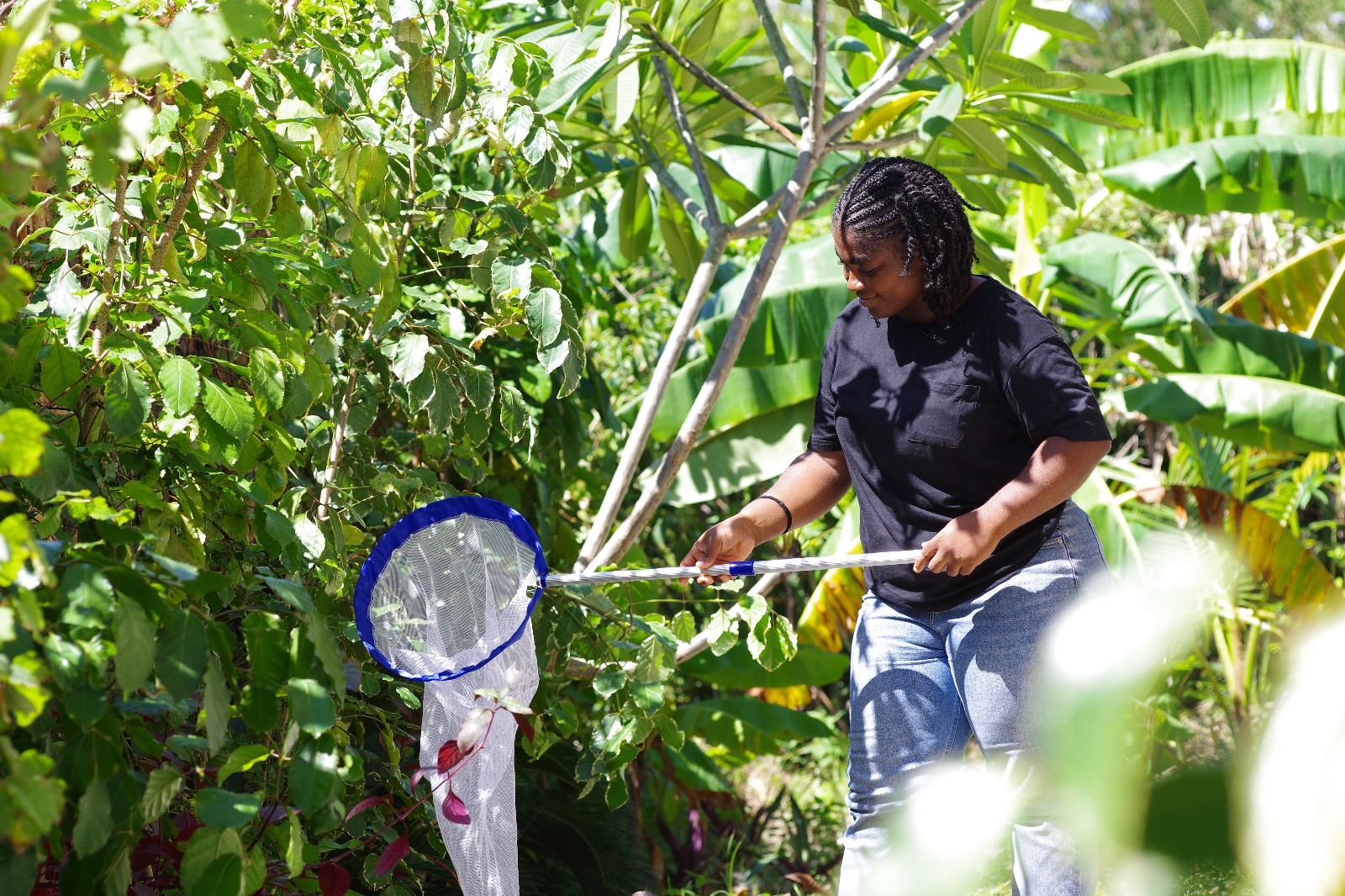
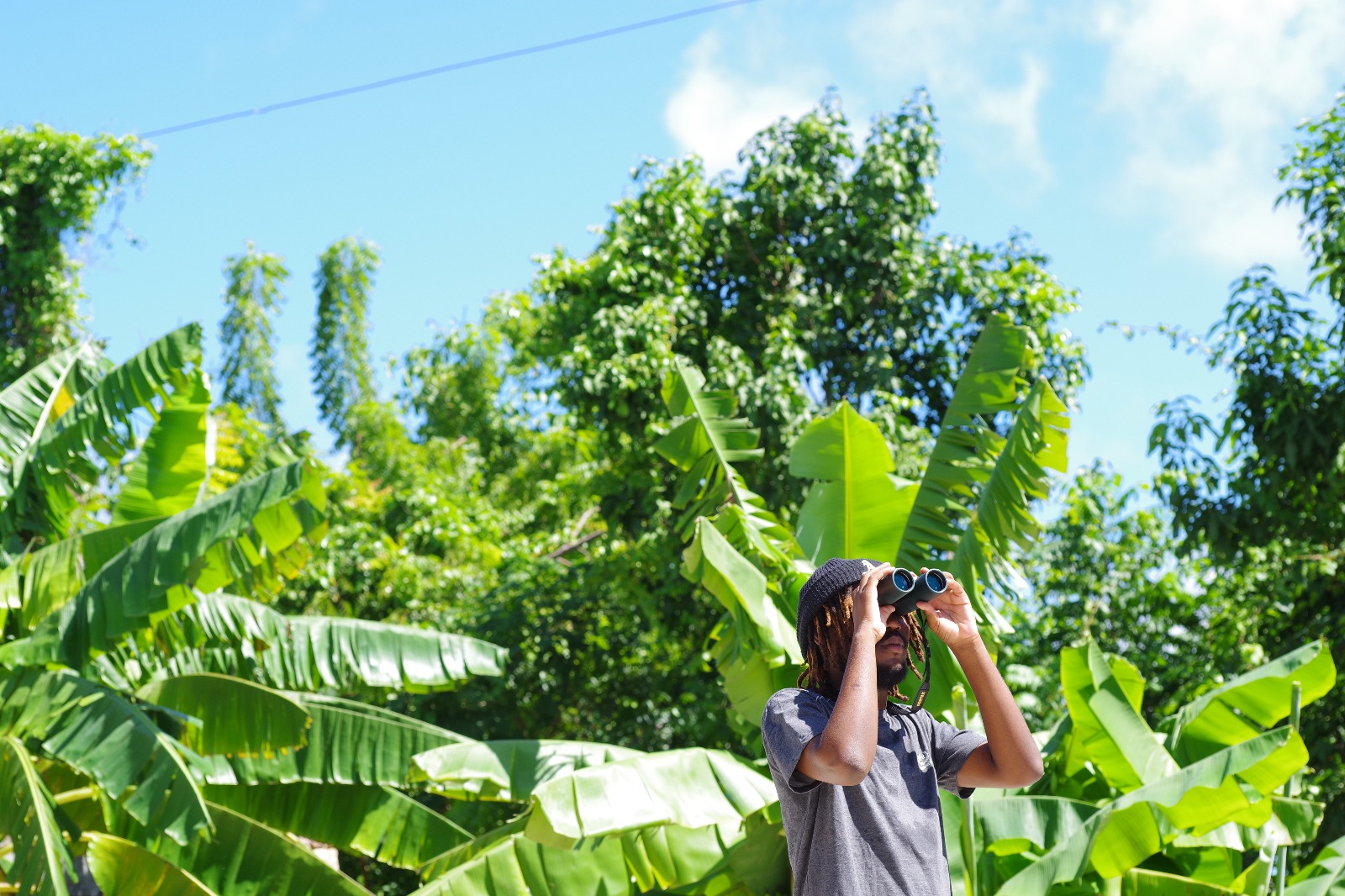
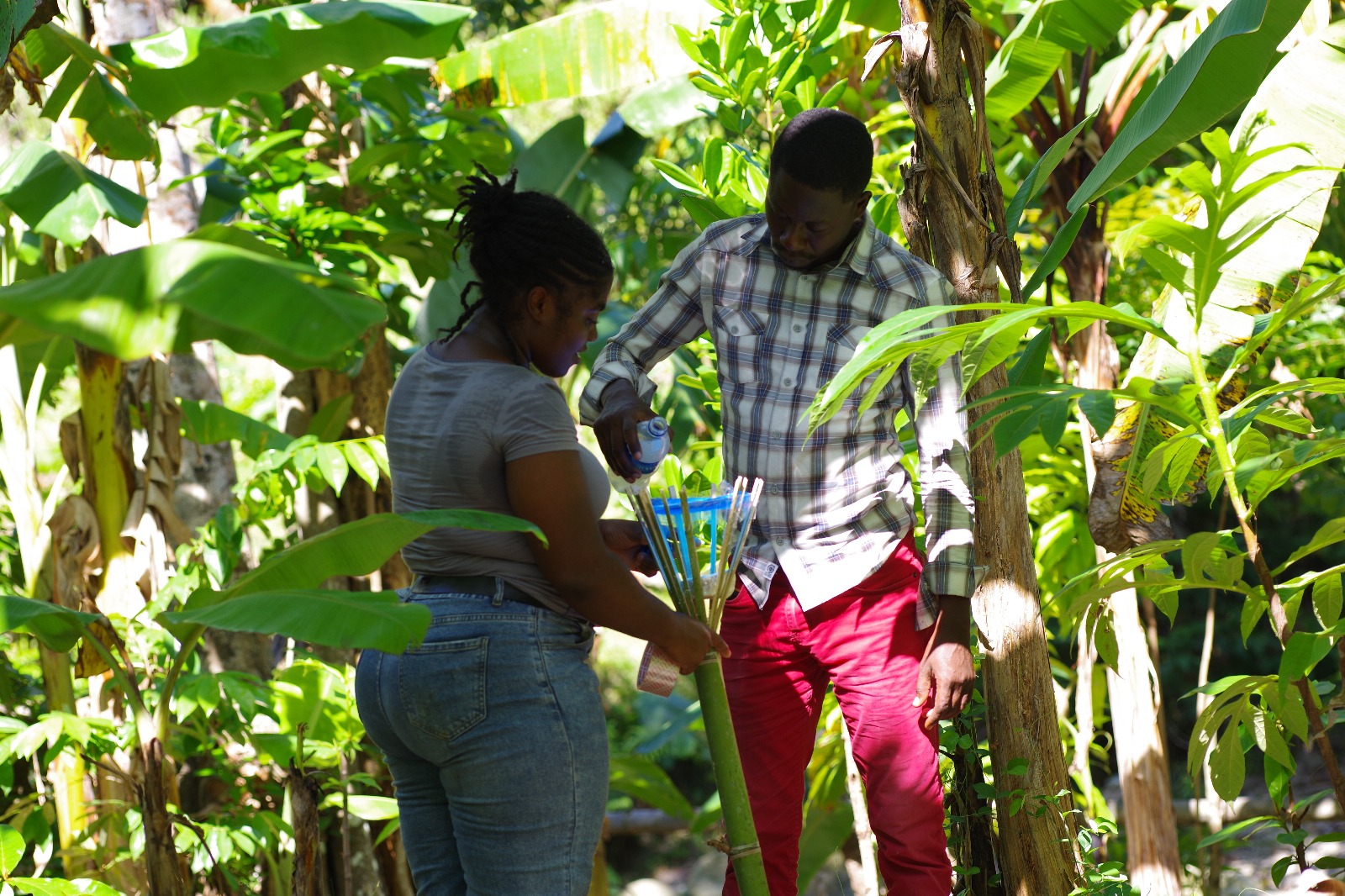
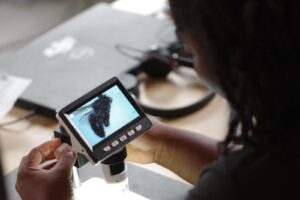
The first phase focuses on assessing the diversity of several faunal groups—birds, butterflies, hymenopterans, and odonates—along anthropization gradients ranging from urban areas to natural habitats. These data will be used to evaluate the state of biodiversity and to develop appropriate management recommendations.
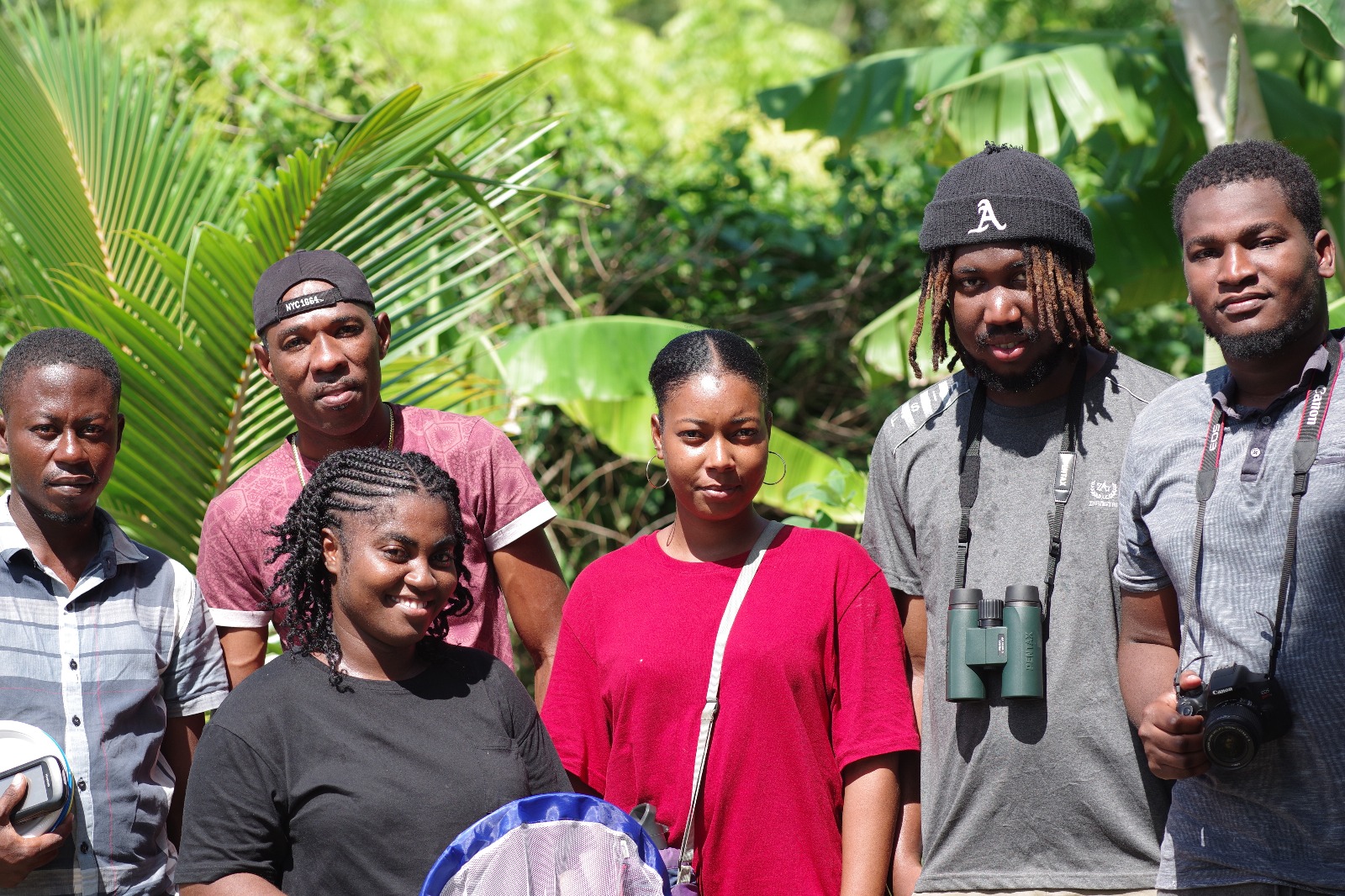
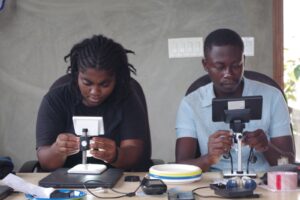
In parallel, the project includes an awareness and training component targeting various audiences to promote practices that support biodiversity and ecosystem services essential to landscape resilience in Haiti. Haitian students are also recruited and trained as part of their final engineering thesis, which is required to obtain their agronomy degree, thereby contributing to the strengthening of local capacities.