
-
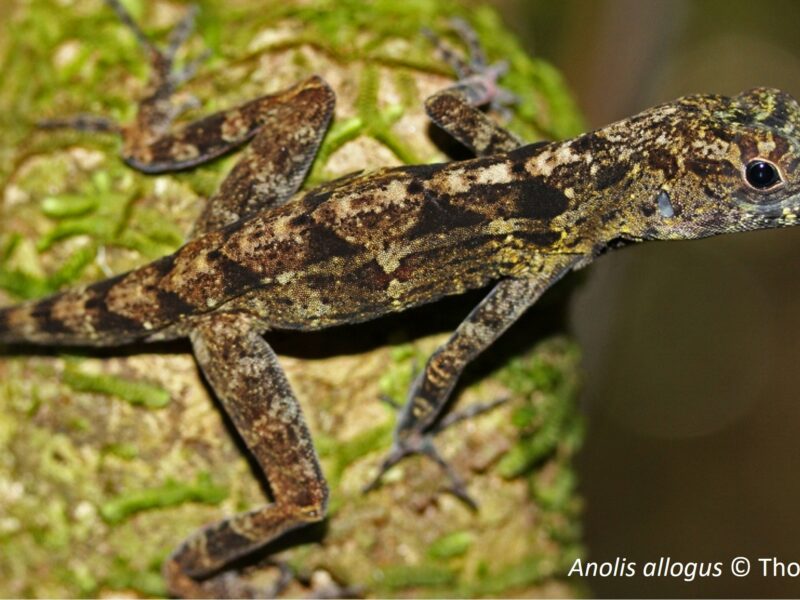
Cuban anoles are not equal in the face of climate change
Continue readingClimate change is one of the greatest challenges that the natural world is currently facing. Its impacts are expected to affect many aspects of biodiversity. Among other things, changes in temperature and precipitation patterns can affect the availability of suitable habitat for many species, and their ability to disperse and colonize new areas may be compromised. Their geographic ranges…
-
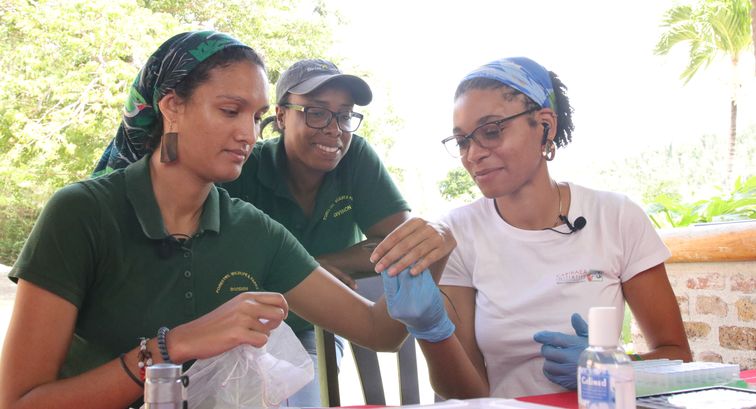
Improving collaboration thanks to Dominican lizards
The MERCI project is a research program aiming at improving the knowledge on several species of invasive exotic reptiles in the Lesser Antilles. Another ambition of the project is to reinforce the collaboration between the different territories. The last mission, which took place in Dominica, shows that both objectives are successful! Continue reading
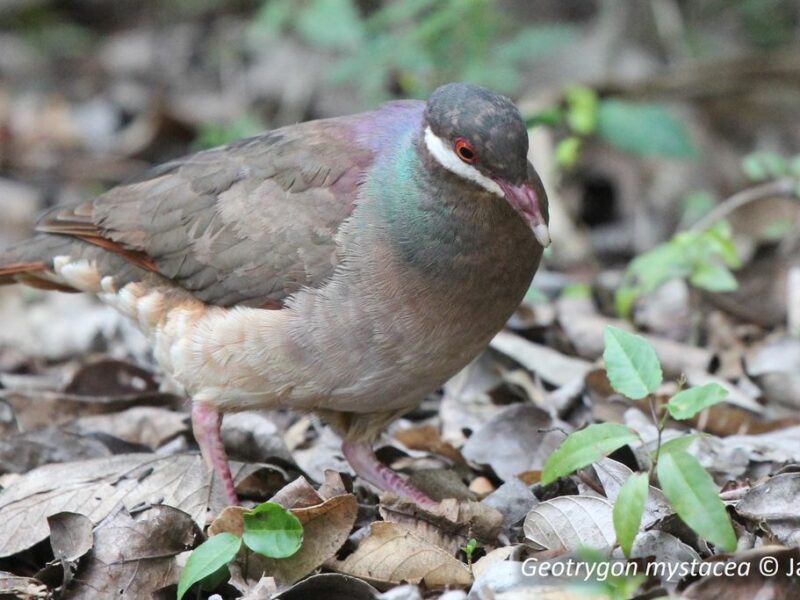
Increasing knowledge about game bird species in the French West Indies for an adapted management
Continue readingIn the French West Indies, as elsewhere, hunting is a widespread activity that leads to excess mortality in game species populations, justifying the implementation of management measures (quotas, hunting season, etc.) aimed at sustaining both the hunting activity and the viability of the bird populations concerned. In Guadeloupe and Martinique, however, hunting management is complicated because of the lack…
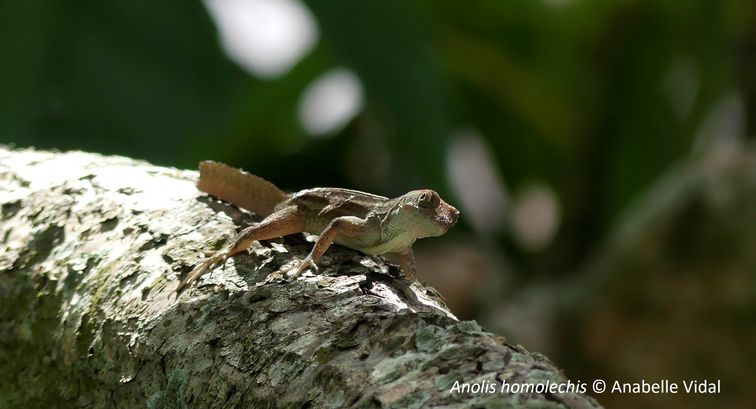
Behaviour: lizards in urban environments differ from those in forests
Continue readingIn Cuba as elsewhere, urbanization is increasing, affecting many animal species. In a recently published study, researchers studied the behaviour of an endemic species of the island, the lizard Anolis homolechis, by comparing forests and suburban populations. (more…)
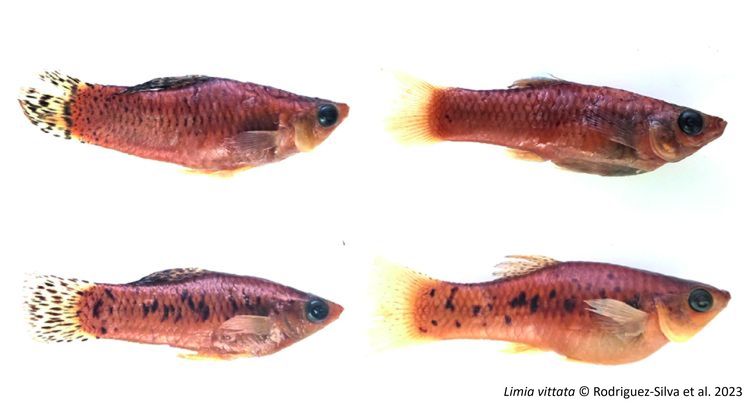
Natural vs sexual selection: Why do some Limia vittata fish harbour black spots while others do not?
In Cuba, the species Limia vittata is widespread. This fish that is endemic of the island presents a color polymorphism: some individuals have black spots on their body, while others do not. To understand the origin of this variability in appearance, researchers have tested two hypotheses: natural selection and sexual selection. Continue reading
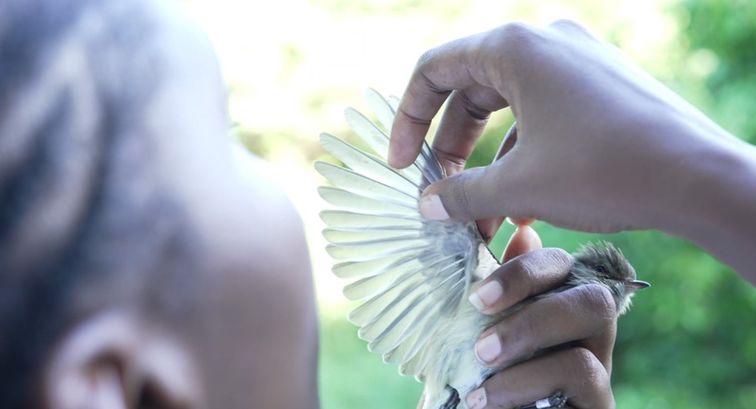
Three complementary methods for monitoring wild birds: results of the PROSPOVERG project
Continue readingThe PROSPOVERG project came to an end, along with two years of close monitoring for the fauna of the Poyen forest, in Guadeloupe. The birds in particular were monitored using three different methods, with a triple objective: to better understand the biodiversity of this forest, to assess the effectiveness and complementarity of the different monitoring methods used, and to…
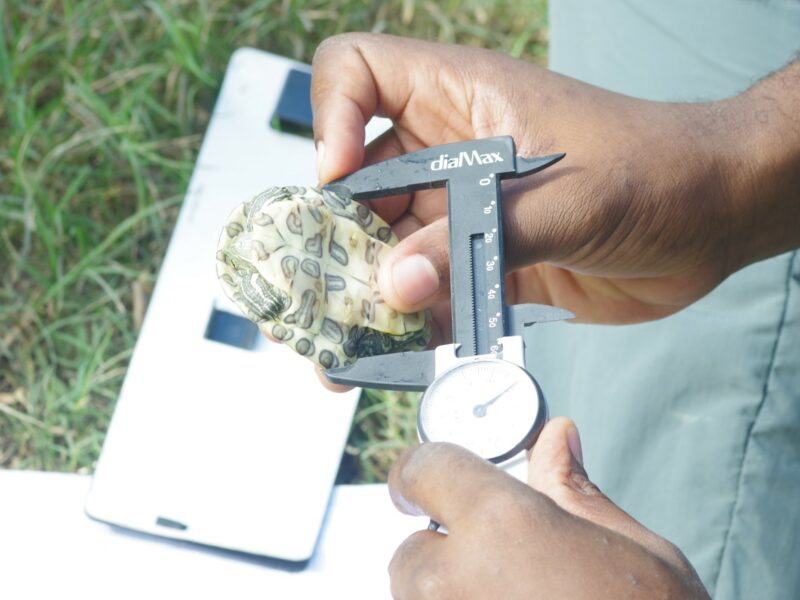
Of turtles and men: Immersion in Haiti in the footsteps of Trachemys decorata
Continue readingIn the middle of Lake Trou Caiman in Haiti, Jeffey checks his daily catch for the 40th day in a row. In the net he set up several weeks ago, a turtle with a dark green neck marbled with yellow is trapped. After being examined and measured, it will be released into the lake, but others are not so…
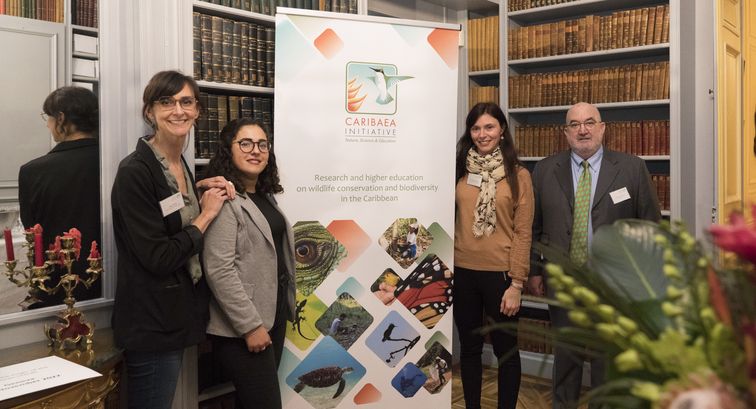
Launch of the first international branch of the Caribaea Initiative
Continue readingThis is a turning point in the history of the association: we develop on the international scale! Last November, a Swiss branch of the association was officially created. An event celebrated during a dinner in Geneva. (more…)
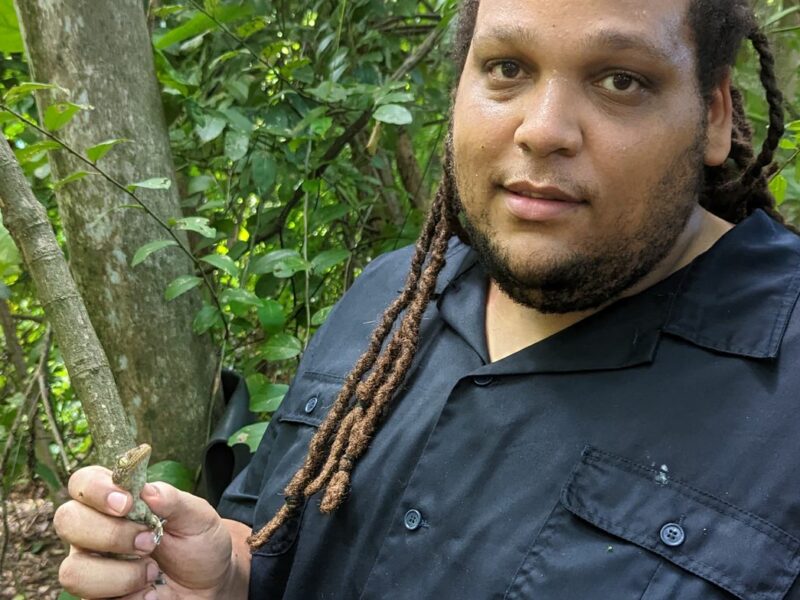
Turtles and geckos: a mission with a double challenge in Martinique
Continue readingInvasive alien species represent a major threat to island biodiversity. Many species of reptiles, recently arrived or established for a long time, can negatively impact the populations of local and sometimes endemic species from several territories of the Caribbean. (more…)
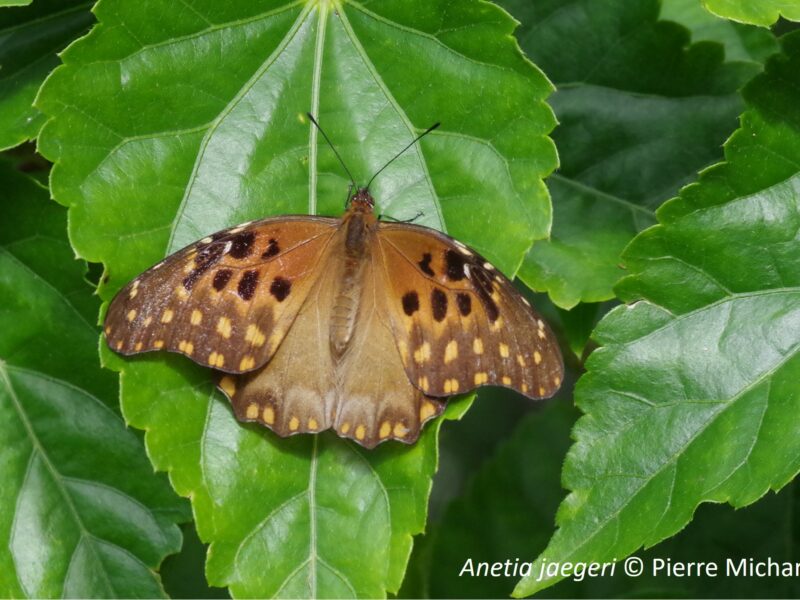
In Haiti, pollinating insects find refuge in urban green spaces of Port-au-Prince
Continue readingOn the island of Hispaniola, the biodiversity of Haiti faces consequent anthropogenic constraints. Deforestation, which unfortunately continues today, is such that the country has lost more than 99% of its primary forests. However, other types of vegetation exist in Haiti. In particular, urban green spaces form a mosaic of potential habitats for many species, including pollinating insects.
Anolis equestris potior © Aslam Castellón Maure