
-
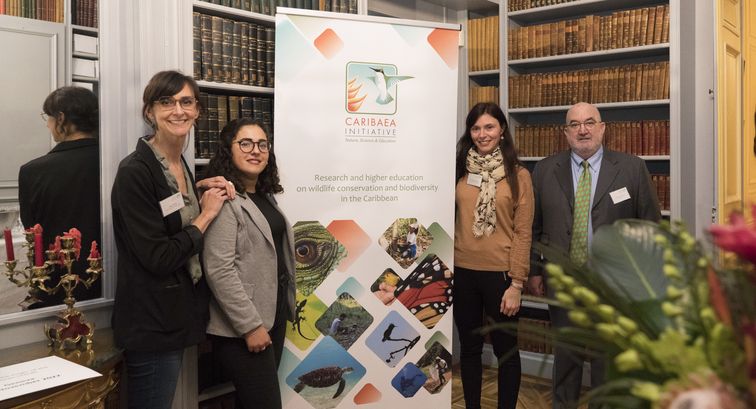
Launch of the first international branch of the Caribaea Initiative
Continue readingThis is a turning point in the history of the association: we develop on the international scale! Last November, a Swiss branch of the association was officially created. An event celebrated during a dinner in Geneva. (more…)
-
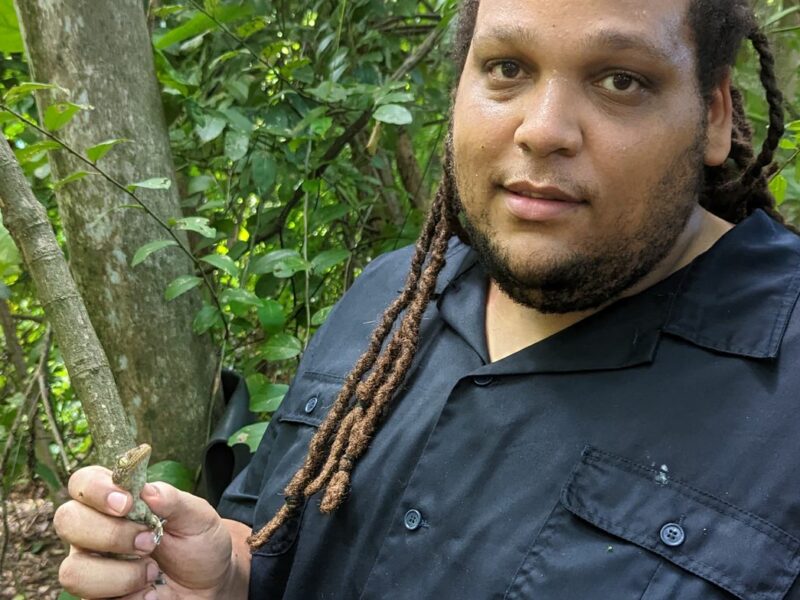
Turtles and geckos: a mission with a double challenge in Martinique
Continue readingInvasive alien species represent a major threat to island biodiversity. Many species of reptiles, recently arrived or established for a long time, can negatively impact the populations of local and sometimes endemic species from several territories of the Caribbean. (more…)
-
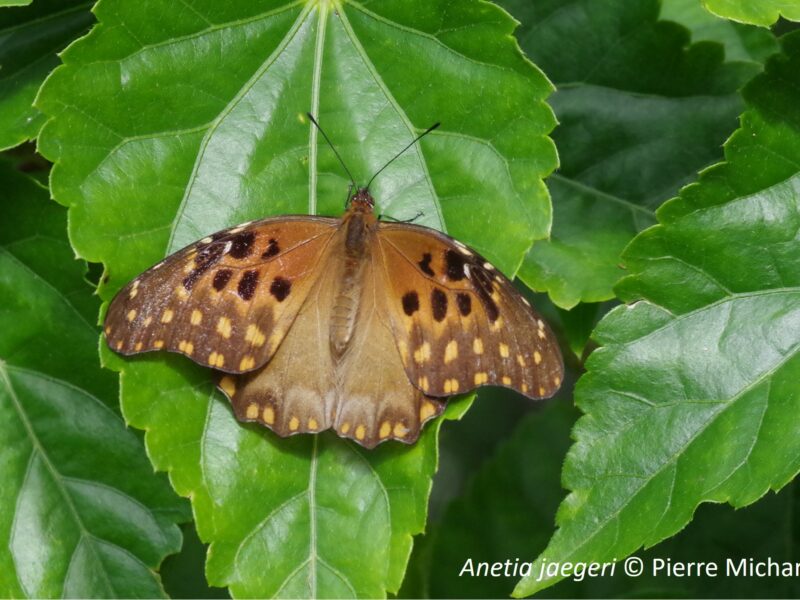
In Haiti, pollinating insects find refuge in urban green spaces of Port-au-Prince
Continue readingOn the island of Hispaniola, the biodiversity of Haiti faces consequent anthropogenic constraints. Deforestation, which unfortunately continues today, is such that the country has lost more than 99% of its primary forests. However, other types of vegetation exist in Haiti. In particular, urban green spaces form a mosaic of potential habitats for many species, including pollinating insects.
-
REVPOL project – where are we?
Continue readingStarted just a year ago, the REVPOL project continues in Martinique and Guadeloupe. The main objectives remain the same: to enable managers of urban green spaces, both public and private, to act to protect local biodiversity by adopting revegetation strategies that favour local pollinators. (more…)
-
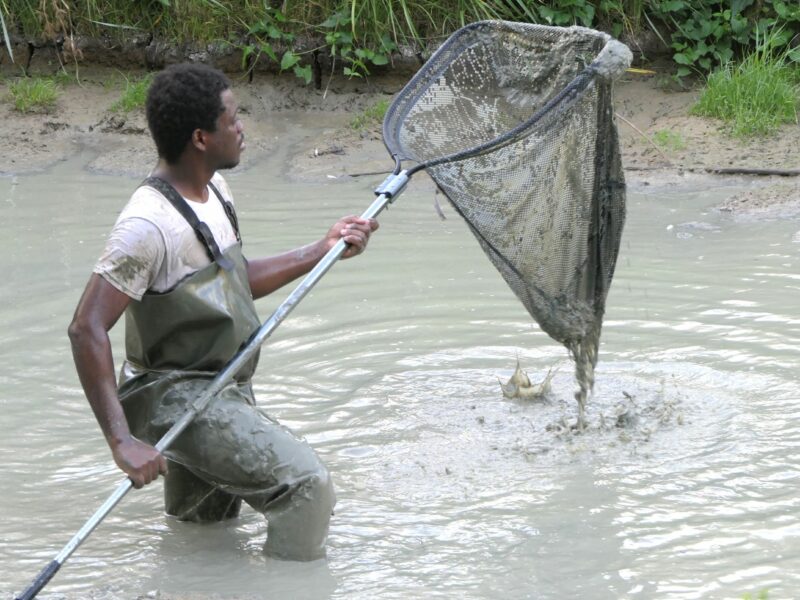
Martinique: a three-week mission to study freshwater turtles
Continue readingFreshwater turtles may seem harmless, but some species are nonetheless invasive and potentially dangerous for local biodiversity. This is the case for two species in the West Indies: the Antillean slider (Trachemys stejnegeri), native to Puerto Rico, and the Yellow-bellied slider turtle (Trachemys scripta), native to the United States. To better understand the demographic parameters and ecological habits of…
-
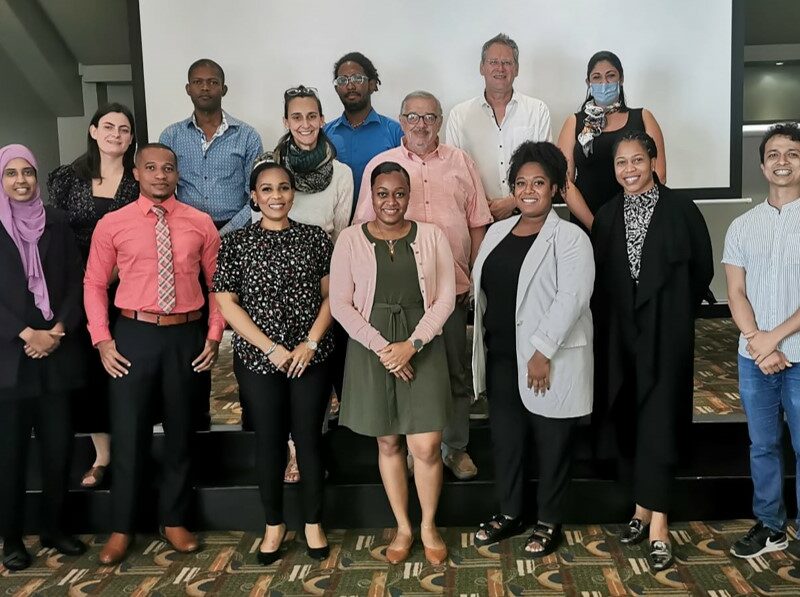
Environmental diplomacy: a training provided to young Caribbean diplomats
Continue readingThe insular Caribbean is one of the most important biodiversity hotspots on the planet, home to a variety of flora and fauna, many of which are endemic. This biodiversity is exposed to many threats, such as climate change, deforestation, or the anthropization of natural environments. The preservation of this natural heritage is linked to global geopolitical issues. To assert…
-
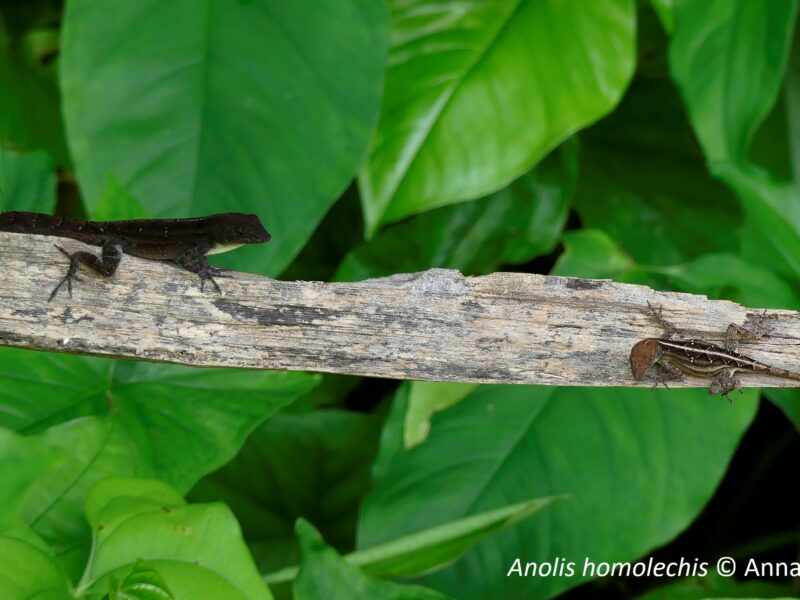
In Cuba, anoles living in suburban habitats differ from those from natural forests
Urbanization is a growing phenomenon, with many consequences on animal species. In Cuba, the lizard Anolis homolechis, endemic to the island, is found in both natural and suburban environments. A comparison between these two habitats, however, shows variations in the lizard populations. Continue reading
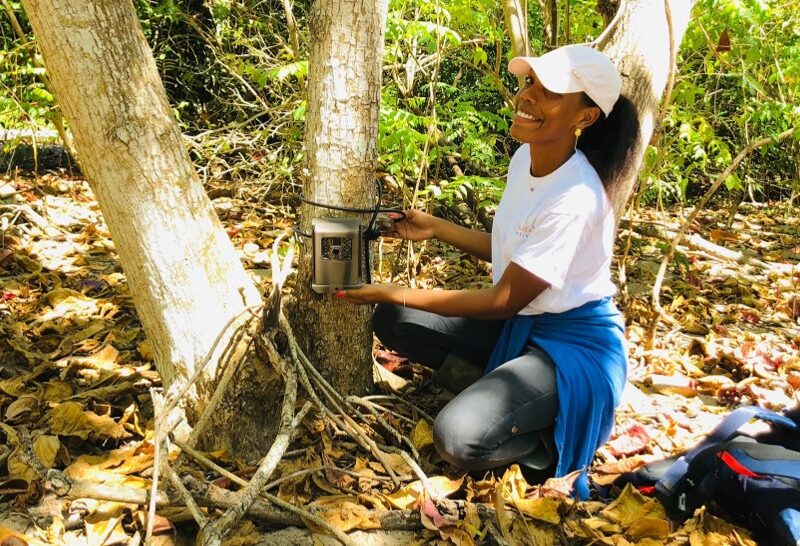
Camera-traps to spy on columbid birds
Continue readingPigeons and doves play a crucial role in the dynamics and diversity of many ecosystems, thanks to their ability to disperse seeds. Their decline could therefore affect other species, including both animals and plants. In the insular Caribbean, data on columbid species are still scarce. In a recent study, camera-traps were used to learn more about three avian species.…
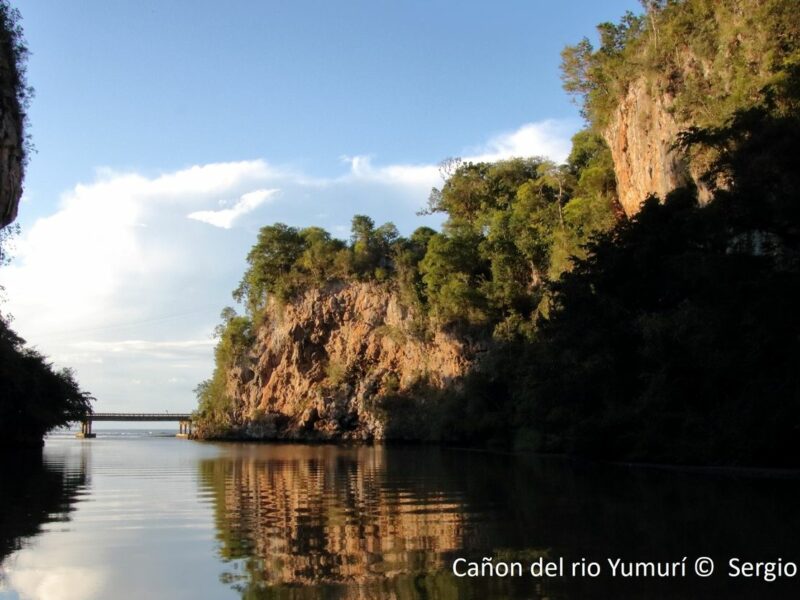
A soundscape approach to learn more about a critically endangered Cuban frog
Continue readingThe Cuban archipelago hosts more than 70 species of frogs and toads, the high majority of them being endemic. This biodiversity is at risk, with an estimated 80% of amphibians being threatened in the island. Among them, the Cuban frog Eleutherodactylus bartonsmithi, which is considered as critically endangered, is only found in an extremely restricted distribution range, limited to…
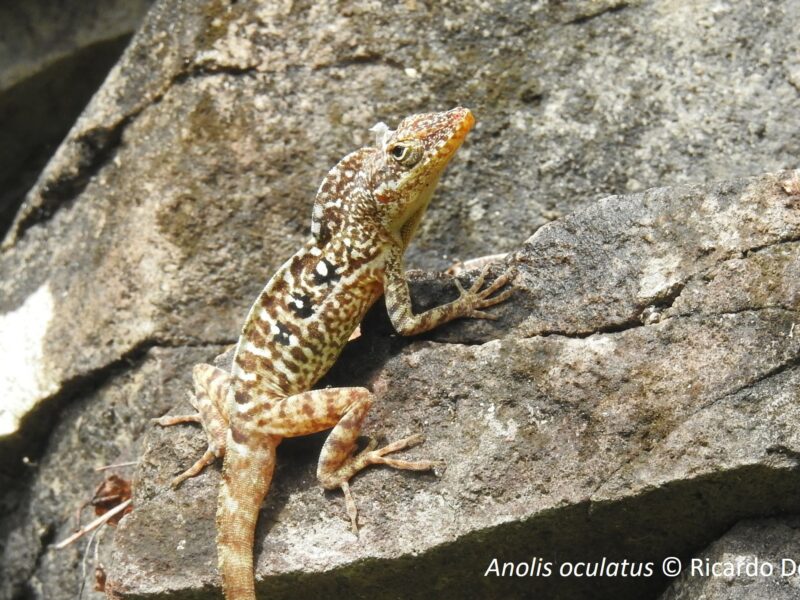
Looking for anole lizards: A mission in Dominica
A new mission has just ended in Dominica. Although conducted for scientific purposes, the mission was also a great human adventure in this island that is referred “The Nature Island of the Caribbean” in reference to its exceptional conservation. Here is the story of a week dedicated to anoles. Continue reading
- 1
- 2
Anolis equestris potior © Aslam Castellón Maure