
-
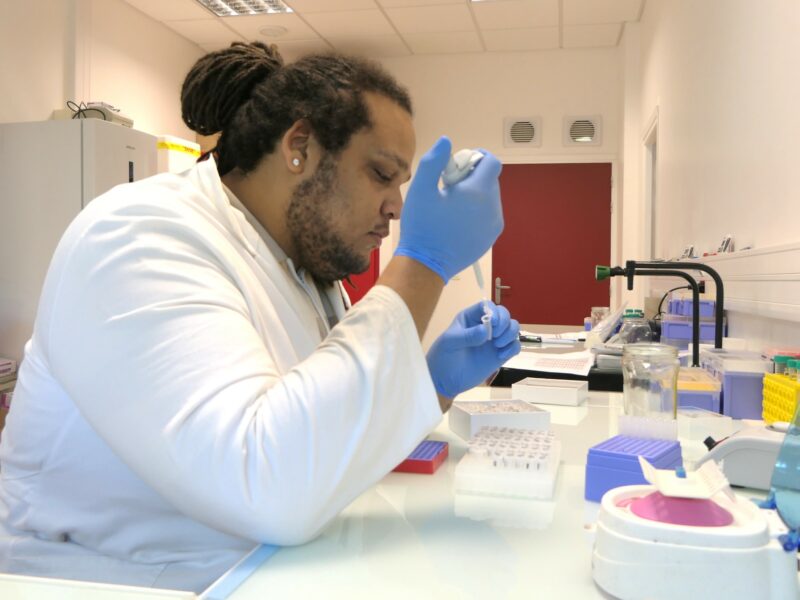
Blood or saliva: In birds, the DNA sampling method matters
Continue readingIn the study of many species, DNA samples provide valuable data. In birds, DNA is often extracted from blood samples, a method that requires a potentially stressful handling for the animal. DNA extracted from saliva could offer a good compromise under certain conditions, as shown by a comparison of the two methods in the White-crowned pigeon.
-
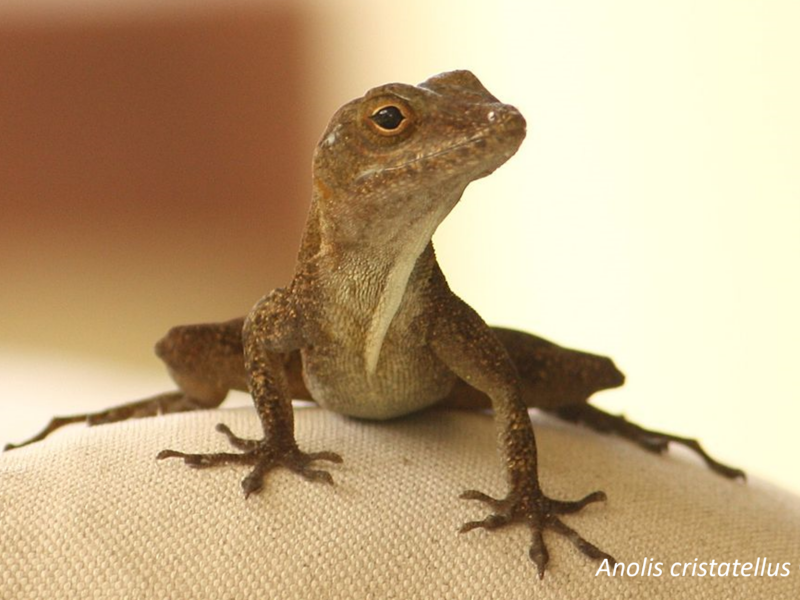
MERCI project: On the way to the next field missions in Dominica and Martinique
Continue readingThe MERCI project, which aims to study invasive exotic reptiles in the insular Caribbean to anticipate the risks of invasion and adapt management measures, continues in the various territories concerned. (more…)
-
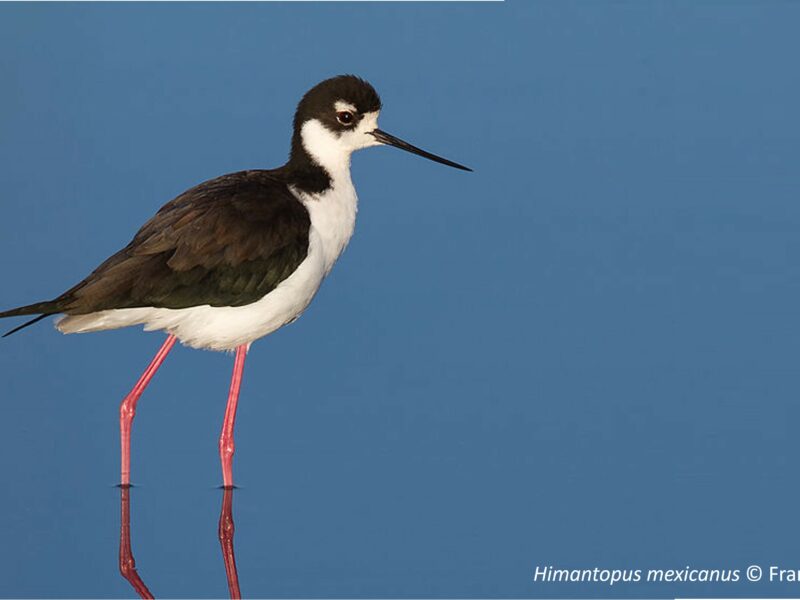
The importance of wetlands for waterbirds in Haiti
Continue readingIn the heart of the insular Caribbean, a world major biodiversity hotspot, the territory of Haiti also possesses an abundant fauna, as evidenced by the 270 species of birds that can be observed, including 155 waterbird species. A recent inventory provides valuable information on these birds. (more…)
-
Students of Caribaea Campus discover the world of ornithology
Continue readingIf education in the study of wildlife relies on a strong theoretical background taught at the University, there is nothing as effective as a trip to the field to discover the techniques used in situ. At the end of February, the students members of Caribaea Campus Gwadloup benefited from a half-day of practical training in ornithology, supervised by three…
-
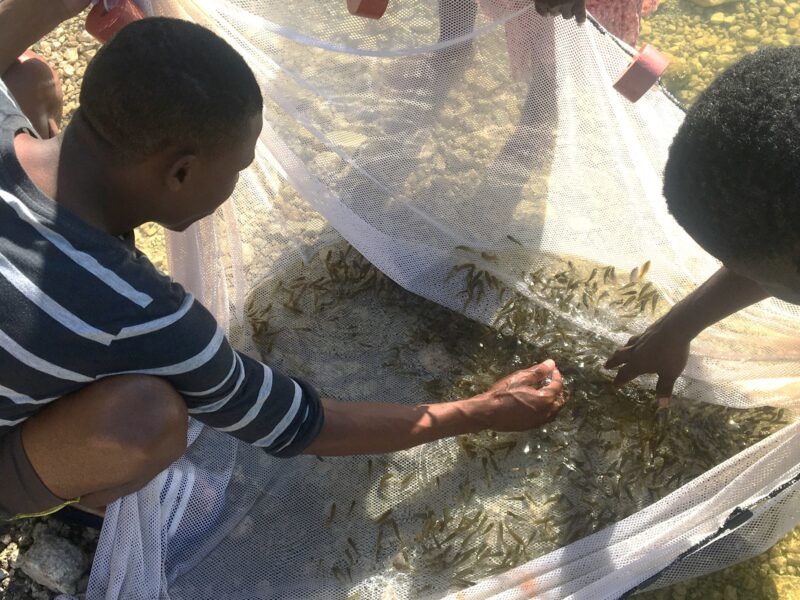
Miragoane: the lake of Haiti where fish species flourish
Continue readingThe Caribbean islands are home to a rich and varied endemic flora and fauna. This incredible biological diversity is explained in particular by the process known as “adaptive radiation”, i.e. the appearance of many new species in a limited period of time, due to their adaptation to a varied range of ecological niches. A recent study provides new evidence…
- 1
- 2