
-
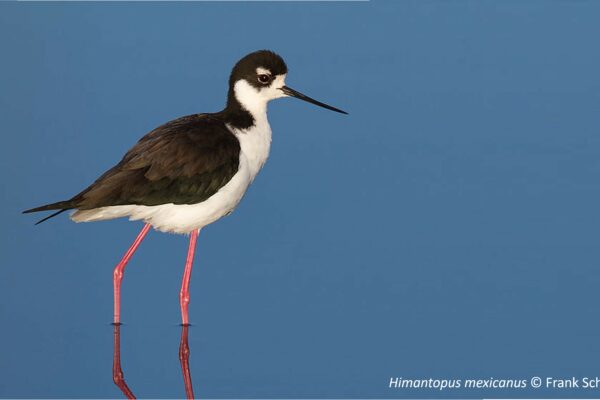
The importance of wetlands for waterbirds in Haiti
In the heart of the insular Caribbean, a world major biodiversity hotspot, the territory of Haiti also possesses an abundant fauna, as evidenced by the 270 species of birds that can be observed, including 155 waterbird species. A recent inventory provides valuable information on these birds.
Continue reading -
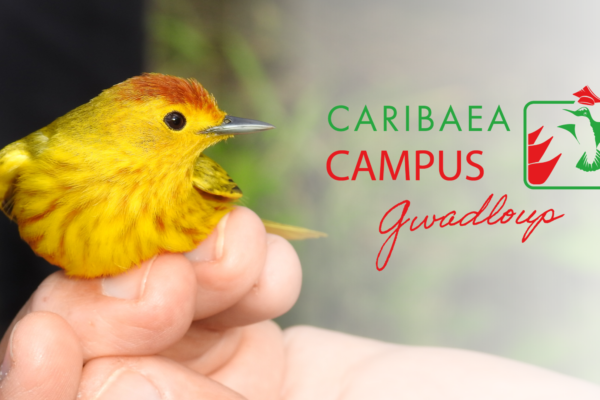
Students of Caribaea Campus discover the world of ornithology
If education in the study of wildlife relies on a strong theoretical background taught at the University, there is nothing as effective as a trip to the field to discover the techniques used in situ. At the end of February, the students members of Caribaea Campus Gwadloup benefited from a half-day of practical training in […]
Continue reading -
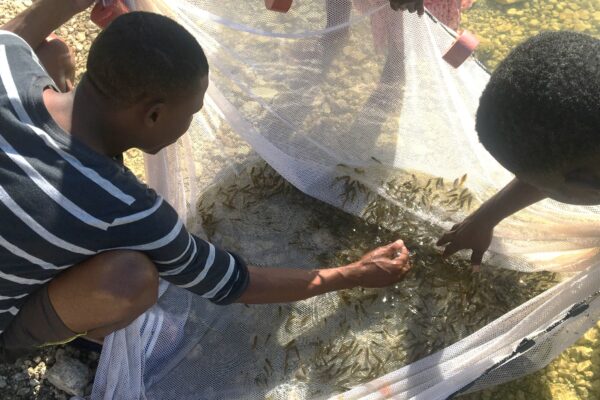
Miragoane: the lake of Haiti where fish species flourish
The Caribbean islands are home to a rich and varied endemic flora and fauna. This incredible biological diversity is explained in particular by the process known as “adaptive radiation”, i.e. the appearance of many new species in a limited period of time, due to their adaptation to a varied range of ecological niches. A recent […]
Continue reading -
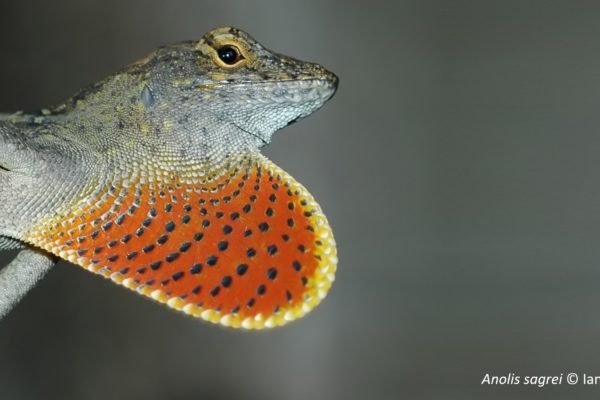
Reptiles: success for the first field mission for the MERCI project
Island of Saint Lucia, November 2021. Among the branches, a furtive movement betrays the fear of a lizard that has just been spotted, not by a predator, but by a scientist. Over the last few days, a team from the MERCI project, aimed at studying invasive reptiles of the Lesser Antilles, has been on the […]
Continue reading -
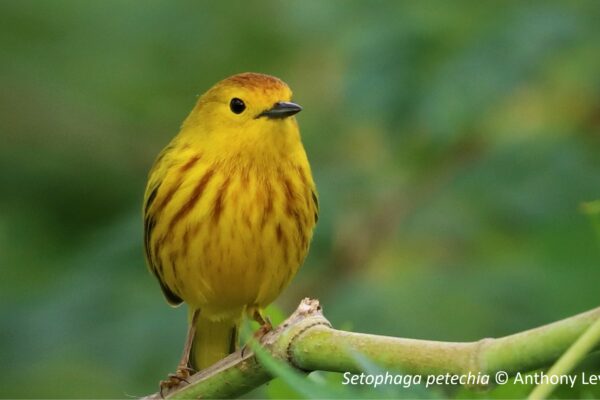
PROSPOVERG project: a meticulous monitoring of birds and mammals in Guadeloupe
In the Guadeloupe forest of Poyen, a biological reserve located on the island of Grande-Terre, the PROSPOVERG project led by the association Amazona in partnership with Caribaea Initiative keeps going thanks to the financial support of the OFB. The objective is not only to identify the diversity of birds and mammals, but also to train […]
Continue reading -
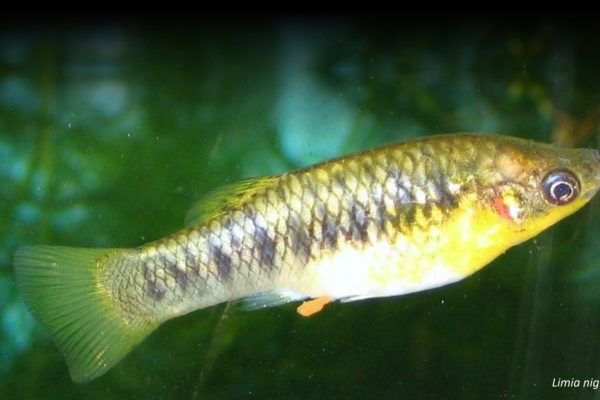
Life and habits of the Limia: Feeding strategies of a unique group of fish
A few months after the discovery of a new species of Limia in Haiti, the research continues on this fascinating group of fish. This time, the feeding strategies of several species were investigated, leading to results which could help unravelling the secrets behind the diversity of this group.
Continue reading -
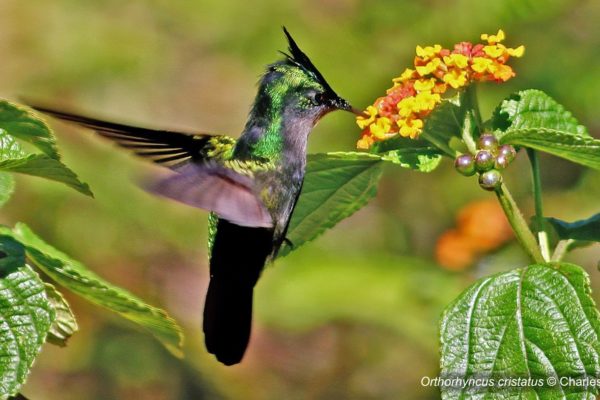
Launch of the REVPOL project in favour of urban pollinators
The Caribbean islands are currently considered as one of the most important biodiversity hotspots, but also as one of the most threatened in the world. Among the many declining species, pollinators and the endemic plants associated with them face a very particular threat: that of exotic plants, which can become invasive. Many exotic flowers have […]
Continue reading -

Mangrove crabs and bacteria: a symbiosis on the gills
In the Caribbean, mangroves constitute unique coastal ecosystems harbouring a diverse marine and terrestrial fauna. Some of these animals establish symbiotic associations with bacteria, such as molluscs, nematodes or even jellyfish. Recent findings in other mangroves around the world suggest that such associations may also be found in some crustaceans. A fact that was just […]
Continue reading -
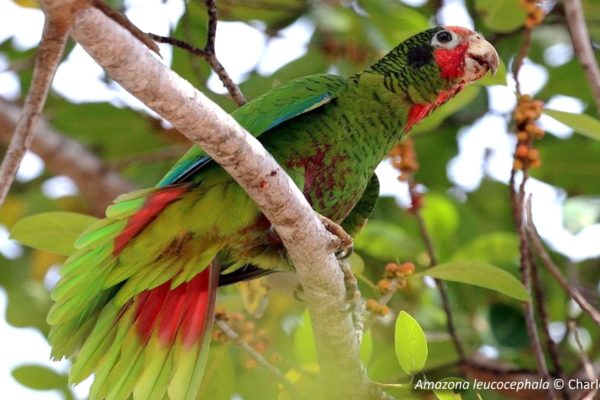
Wildlife of the Caribbean: A major world biodiversity hotspot in need of more local research capacity
The insular Caribbean is considered as one of the most important biodiversity hotspots in the world, home to many endemic species. While new endemic plant and animal species are still discovered regularly, many are already vulnerable or even threatened with extinction because of various threats, such as habitat loss, climate change or biological invasions. Strong […]
Continue reading -
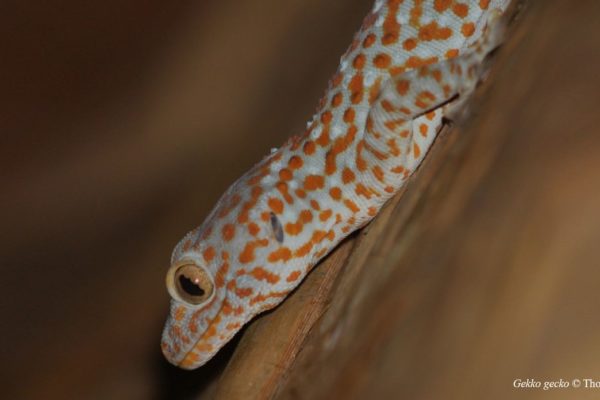
Caribaea Initiative gets support from the Caribbean program Interreg for its project about invasive reptiles
A success with a taste of victory for the association, accompanied by a great challenge to come. The MERCI project (Managing Exotic Reptiles on Caribbean Islands), led by Caribaea Initiative, was selected by the Caribbean program Interreg for a FEDER (European regional development fund) grant of € 403,628.
Continue reading